This evening the Africa Network for Animal Welfare is the guest of the Brighter Green Foundation and hosts Mia McDonald and Martin Rowe for an update on ANAW’s efforts in Kenya for humane treatment of animal and sustainable habitat. ANAW’s mission has many mutual tenets with Brighter Green’s efforts promoting sustainable food and a healthy planet. Josphat, Kahindi and Ambassador Rotich will be present. Thank you Mia and Martin for your hospitality, repeated again this year. It makes a huge impact in sharing the ANAW story to new friends.
A similar event is planned for November 23, 2015 in Denver Colorado at our home in Greenwood Village. If you are in the vicinity, you are welcome and invited to attend. You are encouraged to join us. Simply respond to this posting and I will forward details for the 7:30PM gathering on Nov. 23.
Kenya is a remarkable East African country with a growing economy surrounded by fragile habitat. Wildlife habitat is under extreme pressure as agriculture expands. Elephants and most other wildlife are being exploited for ivory and food. Illegally trapped wildlife, or bushmeat, continues to be harvested at an alarming rate. It is estimated that more than 50% of animal protein entering Nairobi is bushmeat.
You will hear from the leadership team visiting New York, Washington D.C. and Denver Colorado.
The Team:
 Ambassador Nehemiah Rotich (MBS), the Chairman of ANAW’s Board of Directors, has vast experience in environmental and biodiversity conservation and management, post-conflict environmental reconstruction and access benefit sharing. His most recent national position was as the Chairman of the National Taskforce on Wildlife Crime. His rich career includes former director of the Kenya Wildlife Service; Senior Programme Officer- United Nations Environment Programme (UNEP), Head of Biodiversity, as Ambassador/ Permanent Representative, Kenya Mission to UNEP and Chief Executive of the East African Wildlife Society. He has also been the Chairman- Board of Directors, Eastern Africa Environmental Network. Among his notable awards is as the recipient of the 1999 Presidential Award of the Order of Moran of the burning spear (MBS) for distinguished service in conservation
 Josphat Ngonyo is ANAW’s Founder and Executive Director. He holds over 15 years experience in wildlife conservation, serving in various capacities in wildlife circles. Some of his national appointments include member of a Ministerial Task Force charged with formulation of an Animal Welfare Policy and the review of the Prevention of Cruelty to Animals Act (cap 360) and also, member of the National Steering Committee involved in the review of the wildlife conservation and management policy and legislation. He is a past Executive Director for Youth for Conservation; Honorary Warden of the Kenya Wildlife Service, member of the Global Task Force for Farm Animal Welfare and Trade, member of the United Nation’s Food and Agriculture Organization’s Gateway to Farm Animal Welfare editorial board. Mr. Ngonyo is hands-on in animal welfare and conservation matters, working closely with communities living with animals.
 Kahindi Lekalhaile is ANAW’s wildlife advisor. His job experience in nature conservation spans 25 years working as a naturalist, environmental education expert, trainer in wildlife social work, field research scientist, ecotourism expert, university lecturer, community-based conservation advisor and senior program manager. Some of his past experience includes assisting to set up the Samburu Elephant Research Centre under Save The Elephants charity in Africa under the supervision of the world-famous expert, Dr. Iain Douglas-Hamilton; executing the United Nation’s Monitoring the Illegal Killing of Elephants (MIKE) program in Kenya covering the northern Kenya elephant population, which is the largest elephant free-ranging elephant population living outside any protected area in East Africa and pioneering the ‘PIKE’ technique (Proportion of Illegally Killed Elephants) as an early warning system for elephant ivory poaching in the world. A renowned crusader against illegal global trade of wildlife and wildlife products, Mr. Lekalhaile is an Earthwatch Fellow in Madagascar and the recipient of the 2006 Disney Conservation Hero award from Disney World.
Plan to attend this important introduction and briefing about our friends in Africa. You are most welcome. David Gies



 not already been made. Because of his legacy he speaks like no other U.S. President could. It is remarkable that as a guest he was so calm and authentic in addressing corruption, politicians who are reluctant to leave office, and the cost of cronyism to middle-class Kenyans. Kenya loses 250,000 jobs to corruption annually. He spoke about the importance for encouraging entrepreneurialism, education, especially for girls and the importance for creating a strong civil society. Frankly, as I read the Daily Nation newspaper when living and working in Kenya, I think President Uhuru Kenyatta is working diligently to clean-up his cabinet putting six of the highest ranking people on administrate leave until investigations for graft are completed. This is a first for a Kenyan President. Times are changing.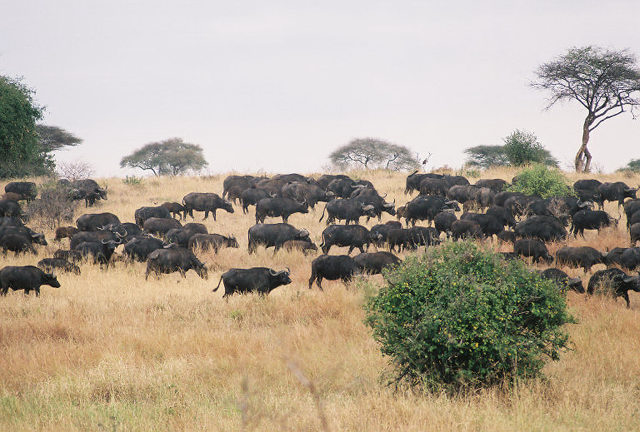
 David's Blog
